




Discovering the Power of Art Communities
- Santa Barbara Art

- Sep 26, 2025
- 4 min read
Art has always been a powerful form of expression, but its impact grows exponentially when artists come together. Art collaboration groups provide a unique platform where creativity flourishes through shared ideas, skills, and experiences. These groups foster innovation, build networks, and create opportunities that might be impossible to achieve alone. Whether you are a painter, sculptor, digital artist, or any other creative professional, joining or forming an art collaboration group can transform your artistic journey.
The Role of Art Collaboration Groups in Creative Growth
Art collaboration groups are more than just gatherings of artists; they are dynamic ecosystems that nurture creativity. When artists collaborate, they exchange techniques, critique each other’s work, and inspire new directions. This interaction often leads to breakthroughs that push the boundaries of individual creativity.
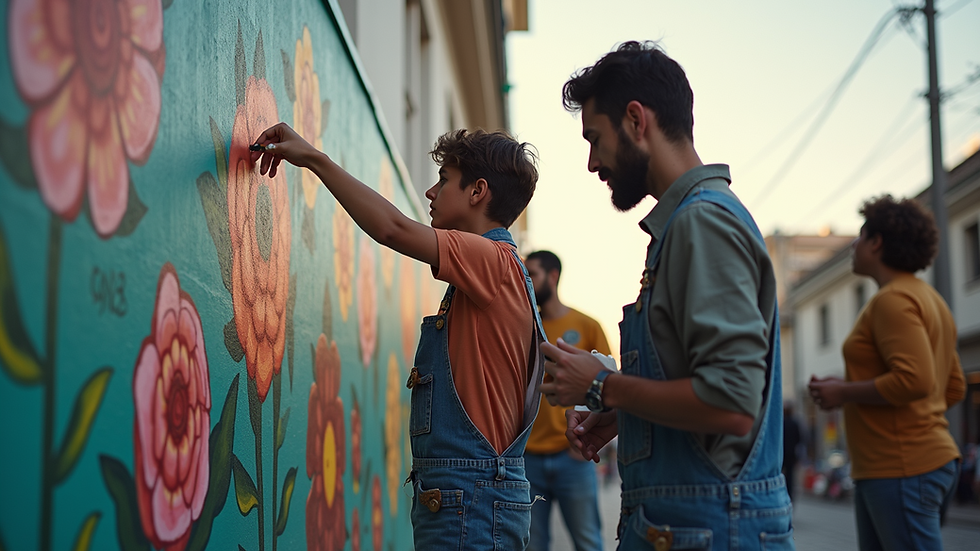
For example, a painter might team up with a digital artist to create mixed media pieces that combine traditional and modern techniques. This fusion can attract a broader audience and open doors to new markets. Additionally, collaboration groups often organize workshops, exhibitions, and community projects that provide members with valuable exposure and experience.
Joining an art community can also provide emotional support. The creative process can be isolating, but being part of a group helps artists stay motivated and accountable. Members celebrate each other’s successes and provide constructive feedback during challenges, creating a positive environment for growth.
How to Find and Join Art Collaboration Groups
Finding the right art collaboration group depends on your interests, goals, and location. Here are some practical steps to help you get started:
Research Online Platforms: Websites and social media platforms often host groups dedicated to specific art forms or local communities. Look for groups that align with your style and aspirations.
Attend Local Art Events: Galleries, art fairs, and workshops are excellent places to meet like-minded artists. Networking in person can lead to invitations to join collaboration groups.
Reach Out to Art Organizations: Many cities have art councils or nonprofit organizations that facilitate artist meetups and collaborative projects.
Start Your Own Group: If you can’t find a group that fits your needs, consider starting one. Use social media to invite artists and organize regular meetings or projects.
When joining a group, be open to learning and contributing. Collaboration is a two-way street, and your active participation will enrich the experience for everyone involved.

What is the 70/30 Rule in Art?
The 70/30 rule is a useful guideline for artists, especially those involved in collaboration groups. It suggests that artists should spend 70% of their time creating and 30% on promotion, networking, and business activities. This balance helps artists maintain their creative flow while also building a sustainable career.
In the context of art collaboration groups, the 70/30 rule encourages members to focus primarily on producing quality work together. However, dedicating time to promote group projects, organize exhibitions, and connect with potential buyers or galleries is equally important. This approach ensures that the collaborative efforts reach a wider audience and generate opportunities for all involved.
For example, a group might spend most of their meetings creating joint artworks but allocate time to plan social media campaigns or community events. This balance helps maintain momentum and visibility.
Benefits of Participating in Art Collaboration Groups
Being part of an art collaboration group offers numerous advantages that can accelerate your artistic development and career:
Skill Enhancement: Exposure to different techniques and perspectives broadens your skill set.
Increased Visibility: Group exhibitions and online showcases attract more attention than solo efforts.
Shared Resources: Collaborating artists can pool materials, studio space, and tools, reducing costs.
Emotional Support: A supportive network helps overcome creative blocks and self-doubt.
Professional Opportunities: Groups often receive invitations to participate in public art projects, grants, and residencies.
Moreover, collaboration can lead to innovative projects that challenge traditional art forms. For instance, some groups combine visual art with performance, technology, or community activism, creating impactful experiences that resonate beyond the art world.

Tips for Successful Art Collaboration
To make the most of your experience in an art collaboration group, consider these actionable recommendations:
Communicate Clearly: Establish open and honest communication to avoid misunderstandings.
Define Roles and Goals: Clarify each member’s responsibilities and the group’s objectives.
Respect Differences: Embrace diverse styles and opinions as opportunities for growth.
Be Flexible: Adapt to changes and be willing to compromise for the benefit of the project.
Celebrate Achievements: Acknowledge milestones and successes to build group morale.
By following these tips, collaboration groups can function smoothly and produce work that reflects the collective talent and vision of their members.
Embracing the Future of Art Through Collaboration
Art collaboration groups are reshaping the creative landscape by fostering innovation, community, and professional growth. They empower artists to break free from isolation and tap into collective energy. Whether you are just starting or are an established artist, engaging with a collaboration group can open new pathways for your art.
Explore opportunities to join or create groups that resonate with your artistic goals. Remember, the power of art lies not only in individual expression but also in the connections and collaborations that bring ideas to life.
Start your journey today by visiting an art community that supports collaboration and creativity. Together, artists can achieve more than they ever could alone.
Comments